Introduction:
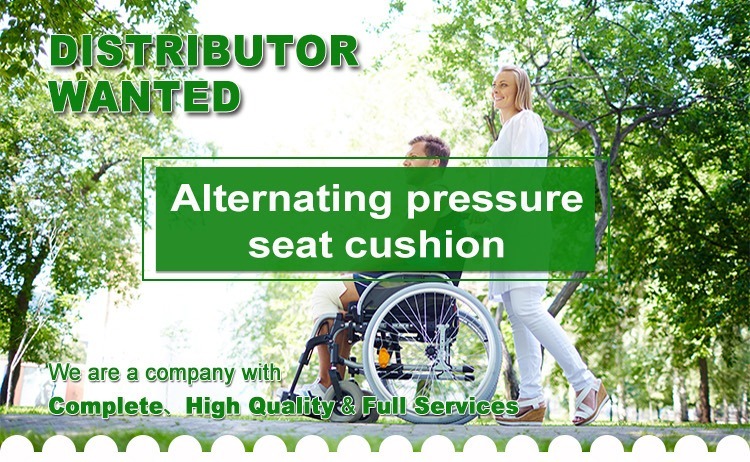
Pressure ulcers, also known as bedsores or pressure sores, can have a significant impact on an individual's health and quality of life. Wheelchair users are particularly vulnerable to developing pressure ulcers due to prolonged sitting. To effectively prevent or manage pressure ulcers, it is essential to understand preventive measures and utilize suitable products. Pressure relief cushions offer a variety of features that promote safer and more comfortable seating, reducing the risk of pressure ulcers.
Factors to Consider When Choosing a Air Cushion for Wheelchair Type:
Selecting the appropriate Air Cushion for Wheelchair type is crucial to meet the individual needs of each patient. Two primary factors to consider are cushion shape and cushion material, each offering distinct advantages. It is essential to choose the most suitable wheelchair seat cushion type to ensure long-term patient benefits, prevent skin breakdown, and promote healing.
Air Cushion for Wheelchair Shape Options:
Flat cushion: Flat cushions evenly distribute pressure on the patient's ischial tuberosities, reducing the risk of pressure ulcers.
Air cushion: Air cushions use inflatable chambers to provide support and pressure distribution. They can be adjusted according to the patient's needs, offering personalized comfort and support.
Contoured cushion: Contoured cushions have a recessed shape around the ischial tuberosities to reduce pressure on specific areas. This shape is suitable for patients who are sensitive in certain regions.
Ergonomic cushion: Ergonomic cushions are designed with curves that mimic the anatomy of the human body, providing better support and comfort. They are typically suitable for patients who require additional support.
Air Cushion for Wheelchair Material Options:
Foam Cushions: Foam cushions are widely known for being affordable and lightweight. Basic foam cushions are suitable for individuals with good sensation and mobility, while thicker cushions combine multiple layers of foam for enhanced support. However, foam cushions tend to wear out faster and lose their shape over time, potentially leading to pressure sores. It is advisable to have a backup foam cushion if using gel or air flotation cushions.
Gel Cushions: Gel cushions are recommended for individuals with poor sensation and movement. They provide excellent pressure distribution and can be contoured for postural support. Gel cushions aim to replicate the consistency and support of atrophied muscle tissue. However, they require careful attention as the gel or fluid can shift, potentially necessitating adjustments or replacements.
Air Cushions: Air cushions offer effective pressure distribution when properly inflated. These cushions consist of interconnected air cells that evenly distribute pressure and can be adjusted to suit the user's specific needs. Regular air pressure checks are necessary to ensure optimal functioning. Individuals with a history of pressure sores or those with limited sensation and mobility often choose air cushions.

Benefits of Choosing the Best Air Cushion for Wheelchairs:
Selecting the appropriate wheelchair cushion material is crucial for patient comfort and well-being. Foam cushions maximize immersion, pressure management, and offloading properties. Gel cushions regulate body temperature and reduce moisture buildup. Air cushions provide advanced pressure management and all-day comfort, with a cool and dry surface.
Conclusion:
Choosing the best Air Cushion for Wheelchair plays a vital role in preventing pressure sores and ensuring optimal comfort for wheelchair users. Consider factors such as cushion shape and material when selecting the most suitable option. By understanding the benefits and characteristics of foam, gel, and air cushions, you can provide your patients with the highest level of care and enhance their overall quality of life.