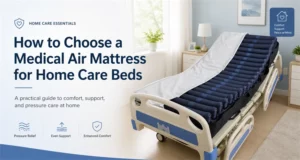
Comfort and health care of the loved one must be considered very carefully while providing home care services. Choosing the right hospital bed mattress is one of the most important decisions to make. The choice of a hospital bed mattress can greatly affect a patient’s health. Recovering surgical patients, elderly patients, and even bedridden patients need special care, and the mattress chosen for them goes a long way. A good quality mattress ensures proper comfort by providing support and preventing bedsores (pressure ulcers). This guide is meant to discuss different types of hospital bed mattresses and assist you in choosing the best one for home care.
The Importance of Choosing the Right Hospital Bed Mattress for Home Care
In a home care setting, with the right kind of attention and care, the right type of chosen mattress can also provide a patient's comfort and well-being. Elderly patients or patients recovering from severe surgeries tend to lie down in bed and puts strain on certain areas of the body. This often leads to discomfort, pressure sores, loss of sleep, and decreased quality of life. A well-balanced mattress can also go a long way in making sure the recovery process is smooth and comfortable.
Types of Hospital Bed Mattresses for Home Care
Hospital bed mattresses are made with certain specifics to meet the needs of the patients. These types of beds include foam, air, and hybrid (a mix of air and foam) mattresses. A mattress type will have its pros and cons, hence the need to know their features before deciding one.

1. Materassi in schiuma
Caratteristiche: Primarilly, foam mattresses consist of high density foams which provides adequate and even support to the user.
Vantaggi:
-
Facile da usare: Maintenance is not a challenge as foam mattresses do not need electric power.
-
Stable Support: They provide uniform support that helps relieve localized pressure on the body.
-
Durable: Resistant to damage, foam mattresses last longer than the competition.
-
Affordable: Best suited to those operating on a limited budget, foam mattresses do not strain your finances as they are economical.
Svantaggi:
-
Limited Pressure Relief: An inadequate amount of pressure adjustment makes foam mattresses ill-suited for people prone to bed sores.
-
Risk of Discomfort: Prolonged usage of a foam mattress can have adverse effects as it can lead to pressure sores which tend to be very uncomfortable.

2. Materassi ad aria
Caratteristiche: An air-filled chamber system is used in air mattresses; it can be inflated or deflated to change the pressure and firmness of the mattress.
Vantaggi:
-
Rilievo della pressione: Contours of the air-filled mattress can be changed to relieve pressure, which helps in preventing bedsores.
-
Circolazione migliorata: By relieving pressure, air mattresses support blood circulation which is important for bedridden patients.
-
Customizable Comfort: The air pressure in the chamber can be adjusted to fit the person’s body and their comfort requirements.
-
Comfort for Long-Term Use: This type of mattress is useful for patients who are expected to be bedridden for long durations.
Svantaggi:
-
Maintenance Required: Air-filled mattresses require regular maintenance checks to make sure air pressure is adequate. They may need to be adjusted according to the patient's requirements.
-
Electrical Dependency: Air-filled mattresses are electrically powered to maintain the pressure, which can be a disadvantage during power failure.

3. Materassi ibridi (Aria + Schiuma)
Caratteristiche: The hybrid type incorporates the advantages of both foam and air mattresses. They have a foam-based layer for support and an air chamber for adjustable relief pressure.
Vantaggi:
-
Balanced Comfort and Support: The hybrid model combines the firmness and rigid support of foam mattresses with the adjustable pressure relief found in air mattresses.
-
Better Pressure Redistribution: With these mattresses, patients who are bedridden for long periods of time are less likely to develop pressure sores while also being adequately supported.
-
Ideal for Heavy or Long-Term Use: Patients who require prolonged care will find comfort, durability, and support in hybrid mattresses specifically designed for this purpose.
-
Versatility: The combination of air and foam benefits reduces discomfort caused from the softness of air mattresses or the rigidity of foam ones.
Svantaggi:
-
Higher Cost: Compared to foam mattresses, hybrid models usually cost more.
-
Manutenzione: Like air mattresses, proper maintenance of the air system is required for hybrids to function well.
-
Peso: The added weight of hybrid models makes them difficult to shift or adjust when needed.
How to Choose the Right Mattress Based on Patient Needs
The patient’s level of comfort, health status, and purpose will inform their choice of a hospital bed mattress for home care. Some factors to consider include:
Patient's Health Status and Needs
-
Pazienti allettati: Air and hybrid mattresses offer adjustable pressure features and are best suited for bedridden patients to avoid bedsores and ensure comfort. They are designed to alleviate pressure in specific areas of the body, thus preventing localized skin damage.
-
Pazienti post-intervento: Patients who have undergone surgery should consider using a foam or hybrid mattress which offers firm support without putting excessive pressure on the sensitive areas.
-
Elderly Patients: Comfort and support become essentials for elderly patients. A hybrid mattress provides the best of both worlds – adequate support and relief from pressure which is crucial for aging individuals.
Comfort e supporto
The sensitive body parts that require the most support include the spine, hips, and heels. These areas, along with the body as a whole, should be free of pressure points, which can be avoided with the use of hybrid mattresses that provide firm support and pressure relief.
Rilievo della pressione
Pressure sores are an important problem area for those individuals who are bedridden. Air and hybrid mattresses are superior in relieving pressure when compared to foam mattresses which is beneficial in preventing the development of pressure sores. It is important to note that these foam mattresses, especially for patients who are at risk for developing bedsores, provide effortless support.
Budget Considerations
-
Materassi in schiuma: They are the most cost-effective, making them ideal for those who are budget constrained. While these patients lack the support of pressure relief adjustments, they do provide adequate support to a number of patients.
-
Air Mattresses and Hybrid Mattresses: These are more expensive but allow better comfort and relief of pressure. If the budget permits, they are worth investing in, especially when the patient requires long-term care or is very vulnerable to developing sores.
Additional Considerations When Choosing a Mattress
Beyond the primary factors of comfort and support, here are a few more elements to consider:
-
Ease of Maintenance: Hospital bed mattresses should be easy to clean and maintain. Look for mattresses with removable, washable covers, and consider whether they are durable enough to withstand frequent use.
-
Size and Compatibility: Ensure that the mattress fits the hospital bed and provides enough space for the patient to move comfortably.
-
Traspirabilità: Look for mattresses with breathable materials that allow air circulation. This feature helps to keep the patient dry and prevents skin irritation.
Conclusion: Choosing the Right Hospital Bed Mattress for Home Care
The most suitable hospital bed mattress for home care needs selective consideration for the patient's comfort, health, and overall recovery. An air or hybrid mattress is typically the optimum pressure alleviation choice for comfort during lengthy periods of bed rest. On the other hand, Foam mattresses are economical but are not ideal for long-term bedridden patients as they offer minimal support. Balance the patient's medical condition, comfort requirements, and budget while deciding on the appropriate mattress for the patient.
It is often understated but choosing the right mattress can enormously impact the patient's recovery and overall health, so adequate research needs to be conducted.