Just like any medical device, rollator walkers are becoming common among older adults, people recovering from a surgical operation, and those with mobility problems. They offer vital support while walking and aid in balance and self-assurance. One critical feature that is often overlooked is the precisely correct rollator height.
How important is the correct height for a rollator walker?
The answer: absolutely vital. In any case ensuring the rollator walker height is set properly enhances comfort, ergonomics, falls risk and safety which is vital in every aspect.
Why the Correct Height Matters
Adjusting the rollator walker to the appropriate height may seem ordinary, but it actually improves the potential of the person using the rollator throughout daily tasks. Here’s how:
-
Prevent Stooping and Back Strain
A rollator that is too low brings users to hunch down. This forward bend leads to neck and back discomfort over time. Correct level of rollator height keeps the spine naturally aligned. -
Maintain a Natural Gait and Balance
A rollator that is set to a user’s ideal height also reduces the feeling of instability when walking, which is critical to maintain balance. -
Enhance Braking Control
If the handles are positioned too high or too low, reaching for the brakes becomes exceedingly awkward which may make responding difficult, especially in emergency situations. -
Lower the Risk of Falls
Good body alignment and control ensures the elderly and rehabilitation patients do not slip, trip, lose their balance.

How to Measure for the Correct Rollator Height
Measuring begins with achieving the correct rollator height, follow these steps:
-
Stand Naturally
Arms should be at rest and feet should be positioned comfortably in flat shoes. Stand upright. -
Find the Wrist Height
As your arms dangle naturally, the handgrips of the rollator should meet the wrist’s crease. -
Adjust the Height
-
Locate the adjustment knobs or push-buttons on the rollator’s frame.
-
Loosen or press them to move the handles up or down.
-
Once adjusted, securely lock the handles into place.
-
Signs Your Rollator Height Is Incorrect
Cues suggesting that the rollator walker is being used incorrectly are the following:
-
Leaning Forward or Hunching while walking.
-
Aching Wrists, Arms, or Shoulders after use.
-
Feeling Unstable or Uncomfortable while pushing the rollator.
-
Awkward or Difficult Braking, causing hesitation during movement.
Any of these symptoms suggest it’s time to recheck your rollator walker height adjustment.
Tips for Getting the Perfect Rollator Fit
-
Take a Test Walk
Adjust the height, then walk a few steps indoors and outdoors. Check for a comfortable stride and natural arm posture. -
Test on Different Surfaces
If you use your rollator on uneven surfaces or slopes, ensure the height still feels supportive and stable. -
Ask for Professional Help
Physical therapists, occupational therapists, or mobility equipment specialists can help fine-tune your rollator’s fit. -
Inspect the Locks Regularly
Make sure the height adjustment locks remain secure over time. Loose parts can cause accidents.
Special Considerations
Engaging with some users requires extra caution on selection and adjustments of rollators.
-
Very Tall or Very Short Users
Standard rollators do not accommodate extreme petite or tall users. Additionally, check for models with extended or compact height ranges, or custom options. -
Weak or Recovering Patients
Rollators that are lightweight with excellent maneuverability are the best fit for weak patients. -
Outdoor vs. Indoor Use
Rollators designed for outdoor use usually have larger wheels and stronger brakes. Indoor models have a focus on space for tight areas often needing a compact frame.
Matching the rollator features to your lifestyle ensures maximum comfort and safety.
Choosing a Rollator with Easy Height Adjustment
While shopping for rollator walkers for the elderly, pay attention to:
-
Easy Height Adjustment Systems
No adjustment tools should be required, and height markers along with release buttons should be identifiable and easy to use. -
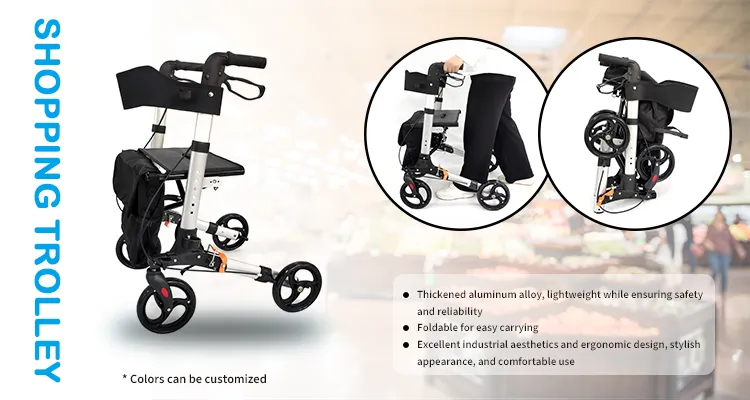
Lightweight Materials
It's easy to maneuver with rollators made from aluminum alloys, and their strength ensures no accidents will happen as well. -
Ergonomic Handgrips
Extended use of rounded and padded grips is more comfortable and easier. -
Brake Sensitivity and Stability
Reputable holds, stable form, and proper height alignment are equally essential as everything else.
At Senyang, our rollator walkers are crafted with seniors’ needs in mind, featuring lightweight aluminum frames, ergonomic handles, and a one-button height adjustment system for quick, precise fitting.
FAQs
Q1: Should the rollator handles be higher or lower than my wrists?
Handles should be at wrist level, not higher or lower, when your arms are naturally at your sides.
Q2: How often should I re-check my rollator's height?
If the rollator has not been set multiple times throughout use, check the height settings after times of discomfort, unexpected weight changes, injuries, or renewed mobility.
Q3: Can I adjust the rollator myself if my strength is limited?
Yes! Many modern rollators come with simple push-button systems or easy-turn knobs that do not require much strength. Picking a model with no tool adjustment like Senyang’s rollators make self-adjustments easy.
Q4: How does wrong height affect my balance?
Offensive wrong height can disrupt your center of gravity leading to awkward movement and increasing tripping or falling risk.
Conclusion
Maintaining and setting the correct rollator height enables safe, comfortable, and self-assured walking. Properly adjusted rollators promote good posture, reduce strain and support better balance.
-
Regularly check your rollator walker height adjustment.
-
Consult healthcare professionals when necessary.
-
Invest in a high-quality rollator walker for seniors with easy, precise height settings.
Your mobility, independence, and safety are worth it!